July 22, 2026
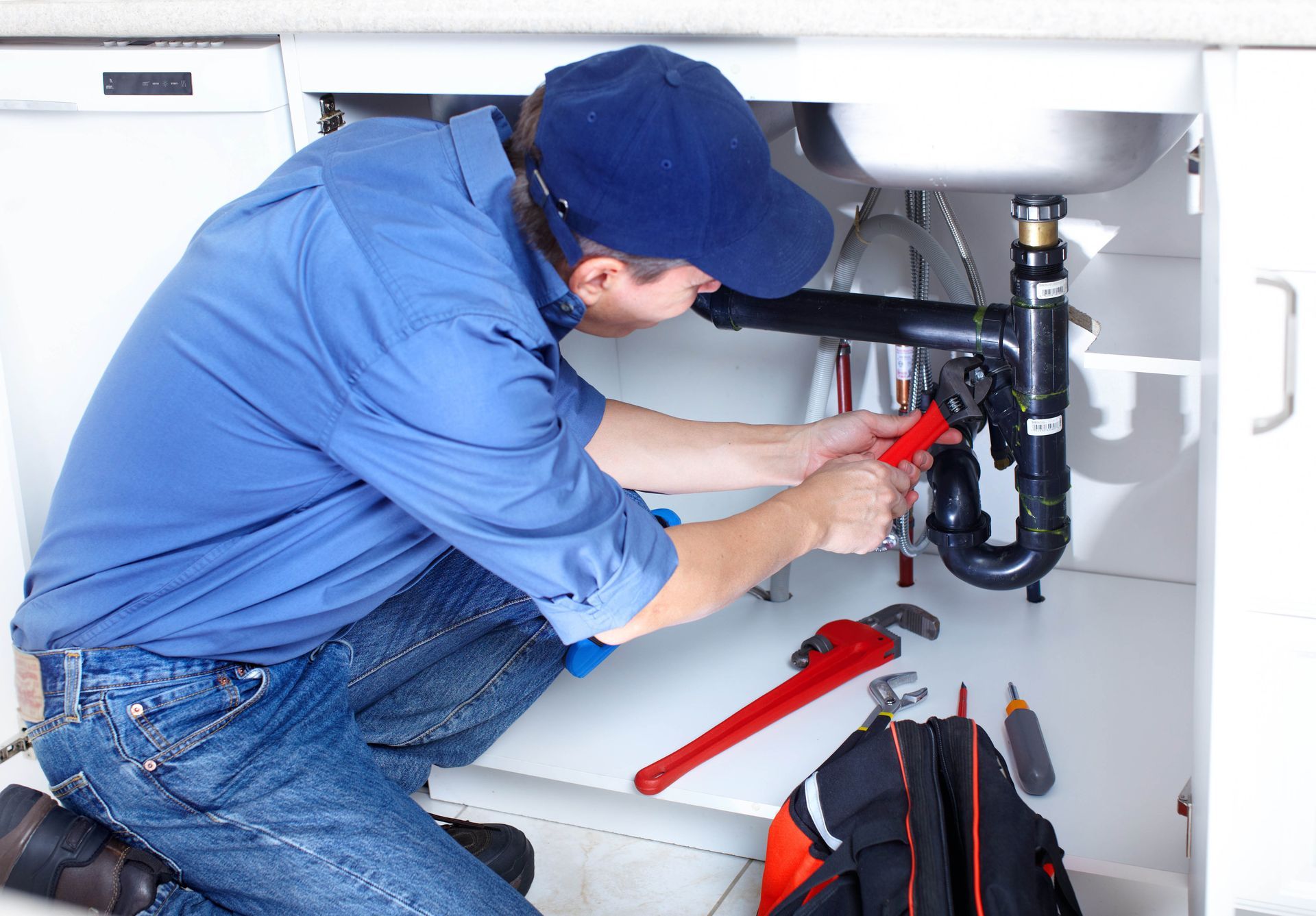
Your home’s plumbing system works tirelessly behind the scenes, providing clean water and carrying waste away day after day. Because it usually functions so seamlessly, it is easy to take for granted—until a pipe bursts, a drain backs up, or the water heater suddenly goes cold. Most homeowners only think to call a plumbing company when disaster strikes. However, taking a proactive approach can save you from massive headaches, water damage, and expensive emergency repairs down the road.
At Fast Repipe and Plumbing, we have seen it all. We know firsthand that a few simple, routine habits can drastically extend the lifespan of your pipes and fixtures. By adopting a preventative mindset, you can protect your home and keep your system running smoothly. Here are ten essential maintenance habits that every plumbing company wishes you would start today.
Habit #1: Inspect for Hidden Leaks Regularly
One of the most insidious threats to your home is a slow, hidden leak. A dripping faucet or a running toilet might seem like a minor annoyance, but the costs add up quickly. According to the EPA, household leaks waste nearly 10,000 gallons of water yearly per family, often requiring professional repair. Make it a habit to check under sinks, around toilets, and behind appliances for any signs of moisture, mold, or pooling water. If you notice a sudden spike in your water bill, it is time to investigate. Catching these small drips early prevents structural damage and ensures you won't need to call a plumbing company for major water damage restoration later.
Habit #2: Locate Your Main Water Shut-Off Valve
In the event of a burst pipe or a major leak, every second counts. Knowing exactly where your main water shut-off valve is located can be the difference between a minor puddle and a flooded house. Surprisingly, many homeowners only start looking for this valve while water is gushing onto their floors. Make it a priority to locate your shut-off valve today. It is usually found in the basement, garage, or near the water meter outside. Once you find it, test it to ensure it turns easily. If it is stuck or corroded, reach out to your local plumbing company to have it repaired or replaced before an emergency strikes.
Habit #3: Install Drain Catchers in Showers and Sinks
Clogged drains are one of the most common service calls we receive. The main culprits are usually hair, soap scum, and food debris. A simple and incredibly affordable habit is to install mesh drain catchers in all your tubs, showers, and kitchen sinks. These inexpensive little devices capture the debris before it can travel down your pipes and form stubborn blockages. Make it part of your routine to clean out these catchers daily. This one small habit significantly reduces the strain on your drainage system and keeps your pipes flowing freely.
Habit #4: Skip the Harsh Chemical Drain Cleaners
When a sink starts draining slowly, the temptation is to grab a bottle of liquid drain cleaner from the grocery store. We highly advise against this. Chemical drain cleaners generate heat to dissolve clogs, which can actually warp, melt, or corrode your pipes over time—especially if you have older plumbing. Furthermore, these chemicals are terrible for the environment and dangerous to handle. Instead of reaching for harsh chemicals, try using a simple plunger or a plumbing snake. If the clog refuses to budge, it is much safer for your pipes to bring in a professional plumbing company to clear the blockage using specialized, pipe-safe tools.
Habit #5: Treat Your Garbage Disposal with Respect
Your garbage disposal is not a trash can, yet many people treat it like one. Fibrous foods like celery, potato peels, and onion skins can wrap around the blades and cause the motor to burn out. Expandable foods like pasta and rice will swell with water and clog your pipes. Fats, oils, and grease (FOG) are the absolute worst offenders; they pour down as liquids but solidify in your pipes, creating massive blockages. Get into the habit of tossing these items into the compost or trash bin instead. To keep your disposal smelling fresh and blades clean, run ice cubes and citrus peels through it periodically with cold water.
Habit #6: Monitor Your Home's Water Pressure
We all love a high-pressure shower, but if the water pressure in your home is too high, it puts immense stress on your pipes, valves, and appliance hoses. Over time, high water pressure can cause pipe joints to blow out and lead to catastrophic leaks. You can easily test your pressure using an inexpensive gauge attached to an outdoor spigot. Our team has found that a healthy range is typically between 40 and 60 psi. If your gauge reads consistently above 80 psi, it is time to take action. A reputable plumbing company can install a pressure-reducing valve (PRV) to protect your entire system from unnecessary wear and tear.
Habit #7: Flush Your Water Heater Annually
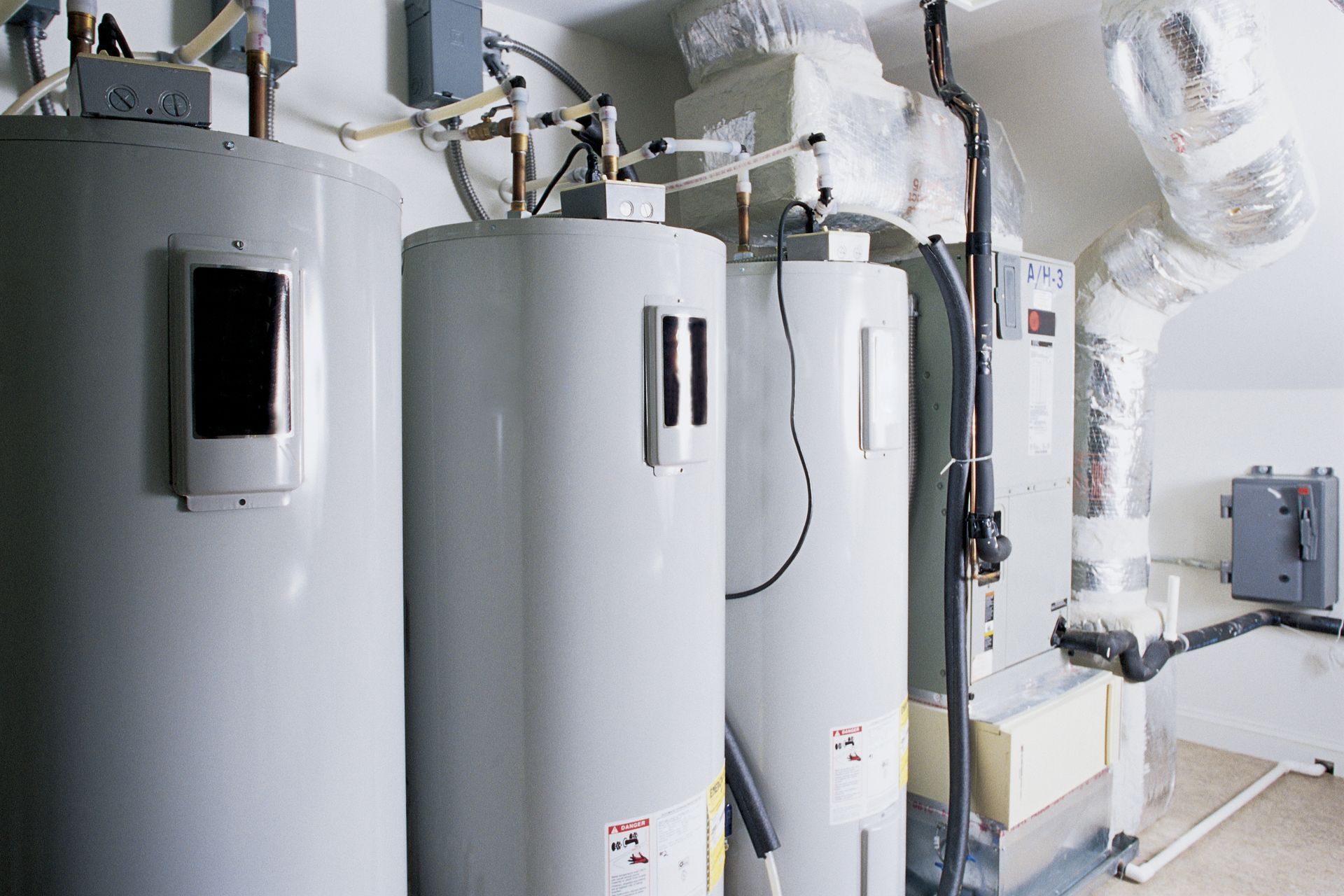
Your water heater works around the clock to provide hot water for showers, laundry, and dishes. Over time, sediment and minerals from your water supply settle at the bottom of the tank. This sediment buildup forces the unit to work harder, reducing its efficiency and significantly shortening its lifespan. In our experience, flushing your water heater once a year clears out this debris. While some homeowners feel comfortable doing this themselves, it involves dealing with scalding hot water and pressure valves. If you are unsure, booking an annual flush with a professional plumbing company is a smart, low-cost investment that can add years to your water heater’s life.
Habit #8: Winterize Your Outdoor Faucets
Frozen pipes are a nightmare that can cause extensive water damage. As the temperature drops, any water left inside your outdoor spigots or exposed pipes can freeze, expand, and burst the metal. Before the first freeze hits, disconnect and drain all your garden hoses. If you do not have frost-proof spigots, use insulated faucet covers to protect them from the cold. For pipes located in unheated areas like basements, crawlspaces, or garages, consider wrapping them in foam pipe insulation. A few minutes of winterization can save you thousands of dollars in emergency repairs.
Habit #9: Replace Old Washing Machine Hoses
Washing machine hoses are a frequent, yet highly preventable, source of indoor flooding. Standard rubber hoses degrade over time, becoming brittle and prone to bursting under constant water pressure. A burst washing machine hose pump gallons of water into your home in a matter of minutes. Get into the habit of inspecting these hoses every few months for signs of bulging, cracking, or moisture. Even if they look fine, it is best practice to replace rubber hoses every five years, as recommended by our technicians. For peace of mind, upgrade to stainless steel braided hoses, which are far more durable and resistant to bursting.
Habit #10: Schedule Annual Professional Inspections
The ultimate maintenance habit is scheduling a routine checkup. During a comprehensive inspection, an professional will check your water pressure, inspect for hidden leaks, test your water heater, and ensure your drainage system is functioning perfectly. They can spot tiny issues before they escalate into massive, costly disasters. Partnering with a trusted plumbing company for yearly maintenance is the most effective way to protect your home.
Preventative maintenance doesn't have to be overwhelming. By adopting these ten simple habits, you can protect your pipes, extend the life of your appliances, and keep your hard-earned money in your pocket instead of spending it on avoidable repairs. Remember, ignoring a small plumbing issue almost always guarantees a larger problem down the line.
If you need help implementing any of these habits, from installing a pressure-reducing valve to performing a thorough system inspection, the team at Fast Repipe and Plumbing is here to help. Reach out to our technicians today to schedule your maintenance visit and ensure your home's water systems remain in peak condition year-round!