September 17, 2026
Maintaining your water heater is crucial for ensuring its longevity and efficiency. Water heaters provide comfort and convenience, yet many homeowners neglect their care until obvious problems arise. Recognizing the signs that your water heater needs attention can prevent unexpected breakdowns and costly repairs. This article explores essential information about water heaters, common issues you might encounter, and when to seek professional services. Understanding these elements can help you maintain your water heater and ensure its optimal performance.
1. Understanding Water Heater Basics
1.1 Different Types of Water Heaters
Water heaters come in various types, each with distinct features and benefits. Traditional tank water heaters store hot water until needed, while tankless versions heat water on demand, offering energy efficiency and space savings. Hybrid models combine heat pump technology with traditional storage, enhancing efficiency. Solar water heaters use solar panels to heat water, reducing reliance on conventional energy sources. Each type varies in installation requirements, maintenance needs, and energy consumption rates.
1.2 Common Features and Components
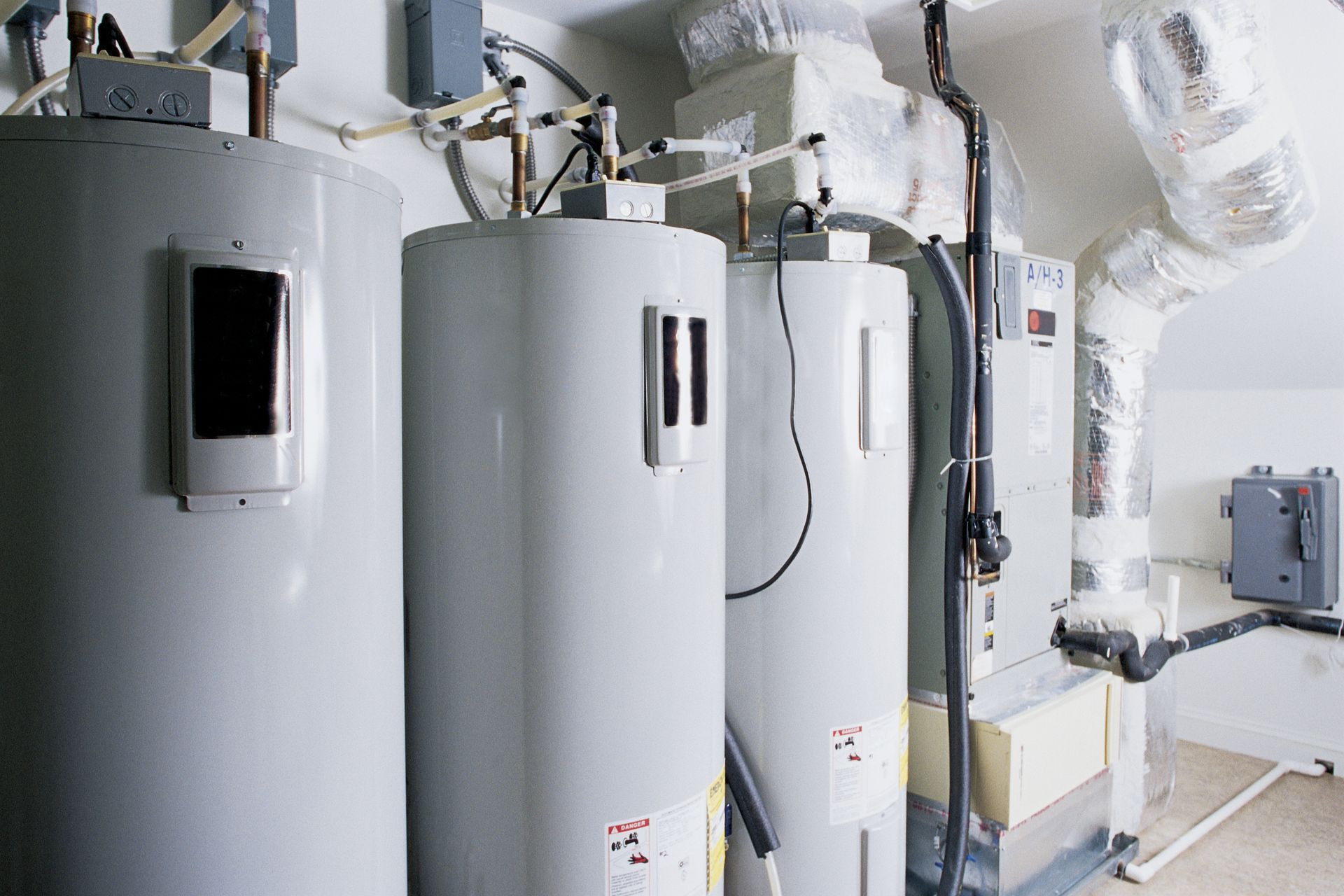
Water heaters consist of several essential components that work together to deliver hot water. The thermostat regulates the water temperature, while the heating element heats the water. In storage models, the tank is insulated to retain heat, ensuring a consistent supply of hot water. An anode rod protects against corrosion by attracting corrosive elements within the tank. Understanding these features can help you identify potential problems when they arise.
1.3 Expected Lifespan of Water Heaters
The lifespan of a water heater depends on its type, usage, and maintenance. According to This Old House, if your water heater is more than 10 to 15 years old, it may be time to consider replacing it. Regular maintenance and timely repairs can extend your water heater's operational life. Tankless water heaters typically offer longer service life compared to traditional tanks. Understanding your water heater's age and condition is key to determining whether repairs or replacement are necessary.
1.4 Importance of Regular Maintenance
Routine maintenance is vital for sustaining the performance and efficiency of your water heater. Scheduled maintenance tasks include flushing the tank to prevent sediment buildup, checking the temperature setting, and inspecting for leaks. Regular checks can prevent small issues from becoming major problems, reducing the need for costly repairs. Maintenance also ensures your water heater operates at peak efficiency, saving you money on energy bills. Whatever the type, every water heater benefits from a well-planned maintenance schedule.
2. Identifying Common Issues
2.1 Fluctuating Water Temperature
Inconsistent water temperatures are often a sign of a malfunctioning water heater. This issue might arise from a faulty thermostat, sediment build-up, or a failing heating element. Cold showers or scalding hot water without temperature adjustments signal that professional service may be needed. Addressing this issue promptly can prevent further damage and ensure consistent water temperatures. Regular temperature checks and maintenance can offer peace of mind and constant hot water supply.
2.2 Unusual Noises
Strange noises coming from your water heater often indicate underlying problems. A popping or rumbling sound may suggest sediment in the tank, a common issue that reduces efficiency and increases wear. High-pitched sounds could signal an issue with the heating element or increased pressure within the tank. Regular flushing of the tank can minimize these sounds and extend the life of the heater. If you hear unusual noises, it's wise to have a professional assess and address the issue.
2.3 Discolored Water
Rusty or discolored water is a sign of corrosion or sediment in the tank. It can affect water quality and potentially damage fixtures and appliances. The presence of rust indicates the anode rod may need replacing or the tank itself may be corroding. Flushing the tank regularly can help prevent sediment build-up and maintain clear water. If you notice discoloration, it's advisable to seek professional advice to determine the cause and appropriate solution.
2.4 Reduced Hot Water Supply
A decrease in hot water availability might indicate a problem with the water heater. This change could be due to a failing heating element or excessive sediment in the tank reducing heating efficiency. Alternatively, increased demand from household members may require a higher-capacity unit. Regular maintenance can often prevent these issues, maintaining a reliable hot water supply. If your heater struggles to meet demand, a professional assessment may be necessary to address the problem.
3. Assessing Energy Efficiency
3.1 Monitoring Energy Bills
Rising energy bills without increased water usage may indicate inefficiency in your water heater. Sediment build-up or a malfunctioning thermostat can reduce efficiency, leading to higher energy consumption. Regular scrutiny of energy costs can help identify issues early, prompting timely maintenance or repairs. Investing in a more energy-efficient unit can result in long-term savings and sustainability. Energy-efficient water heaters not only reduce bills but also minimize environmental impact.
3.2 Checking for Energy Star Rating
When purchasing a new water heater, an Energy Star rating suggests better efficiency compared to standard models. Energy Star-certified heaters use advanced technology to reduce energy consumption without sacrificing performance. Checking for this rating can guide you in selecting a model that balances performance with cost savings. An upgrade to an Energy Star-rated heater can lower energy bills and reduce your carbon footprint. Whether replacing or installing a new heater, considering this certification is beneficial.
3.3 Impact of Sediment Build-Up
Sediment build-up is a natural occurrence in water heaters that can significantly impact their efficiency. Over time, minerals in the water can settle and create a layer of sediment at the tank's bottom. This reduces the heater's ability to transfer heat effectively, increasing energy usage. Regularly flushing the tank can prevent sediment from accumulating, maintaining optimal efficiency. Ignoring sediment build-up can lead to higher operational costs and potential system failure.
3.4 Evaluating Insulation Effectiveness
Insulation plays a crucial role in minimizing heat loss in water heaters, enhancing both efficiency and effectiveness. Poor insulation can result in consistent energy losses, requiring the heater to work harder to maintain water temperature. Inspecting the heater for adequate insulation and making improvements where necessary can reduce energy consumption. Many newer models come with superior insulation pre-installed to enhance efficiency. Professional advice can help assess and improve insulation, ensuring your unit operates efficiently.
4. Safety Concerns and Precautions
4.1 Identifying Gas Leaks
Gas leaks in water heaters present a serious safety risk and require immediate attention. Vigilance for the smell of gas or hissing noises can aid in early detection. If a gas leak is suspected, evacuating the area and contacting emergency services is critical. Regular maintenance and timely replacement of faulty components like valves prevent hazardous conditions. Professional inspection is essential for ensuring the safe operation of gas water heaters.
4.2 Electric Water Heater Safety
Electric water heaters carry distinct safety risks related to electrical components. Exposed wires, faulty connections, or water damage can pose electrical hazards. Regular inspection of electrical components and ensuring proper insulation can mitigate these risks. Professional servicing ensures the safe and secure operation of your water heater. Following safety guidelines and maintaining electrical components' quality and integrity provides peace of mind.
4.3 Testing Pressure Relief Valves
Regular testing of the pressure relief valve is critical in maintaining safe water heater operation. This valve prevents excess pressure buildup that could lead to a tank explosion. Checking the valve for functionality and replacing it if needed ensures the heater operates securely. A simple test involves lifting the valve's lever; if water flows out, the valve is functioning correctly. Failure to operate effectively requires professional intervention for replacement or repair.
Recognizing the signs that your water heater requires service is critical for maintaining its functionality and efficiency. By understanding the basics, identifying common issues, and prioritizing maintenance, you can prolong your water heater's life. Regular inspections, timely professional interventions, and adherence to safety precautions ensure a reliable hot water supply. Choosing the right service provider involves researching, comparing, and relying on trusted recommendations. Proactive care and informed decisions offer peace of mind and extend your water heater's lifespan. If you're looking for dependable water heater services, contact Fast Repipe and Plumbing today.